
We humans are wired for nature. From glowing sunsets to the whisper of a breeze, our minds and bodies respond to natural rhythms. Biophilic design isn’t just pretty decoration. It’s a bridge between our built environments and our biology.
What if we layered those design principles through the lens of the four classical elements — the same ones that anchor astrology? Earth, Air, Fire, Water: each brings a different texture, resonance, and energetic tone to a space. If you design a wellness room (or a home, studio, or office) with the element-inspired biophilic language in mind, you can shape not just the look but the felt experience, the nervous system state, even sleep cycles, mood, and healing.
🌍 Earth
Grounding, Refuge, Materiality: Taurus, Virgo, Capricorn
Biophilic Qualities
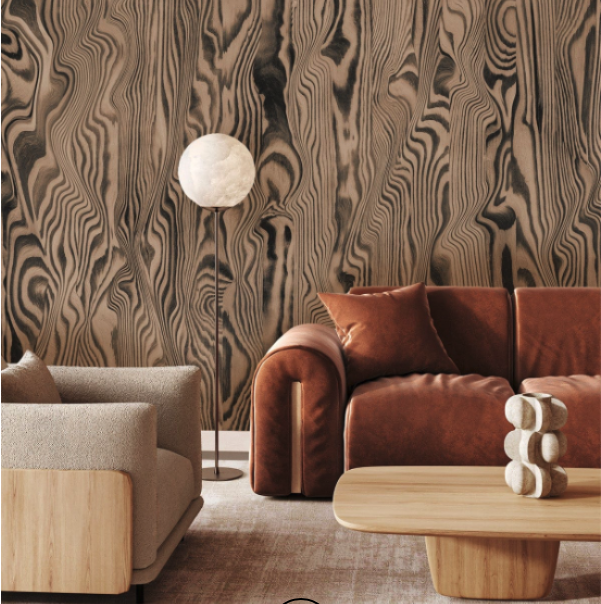
Natural materials: wood, stone, clay, linen, raw fabrics
Textures that invite touch and presence: woven rugs, wooden surfaces, earthen pottery
Stability, rootedness, order, refuge
Design Translation
Use wood furniture that is larger in proportion and low profile, richly upholstered finishes.
Choose texture-rich, tactile finishes like lime washed walls, grass cloth window coverings, wool rugs, and merino throws.
Symmetrical layouts that feel structured, calm, and secure; zones that offer quiet refuge, groundedness, and ease.
Measurable Benefits
Designs rooted in natural materials and refuge-oriented layouts help occupants feel calmer, safer, and better regulated. Environments with natural materiality reduce mental clutter and support emotional stability. SpringerLink+2Biophilic Products Association+2
For practitioners (massage therapists, bodyworkers, healers), an Earth-inspired room can help clients settle into your treatment room and their bodies, reducing stress, preparing nervous systems for healing and presence.
🌬️ Air
Lightness, Flow, Light & Views, Spaciousness: Gemini, Libra, Aquarius
Biophilic Qualities
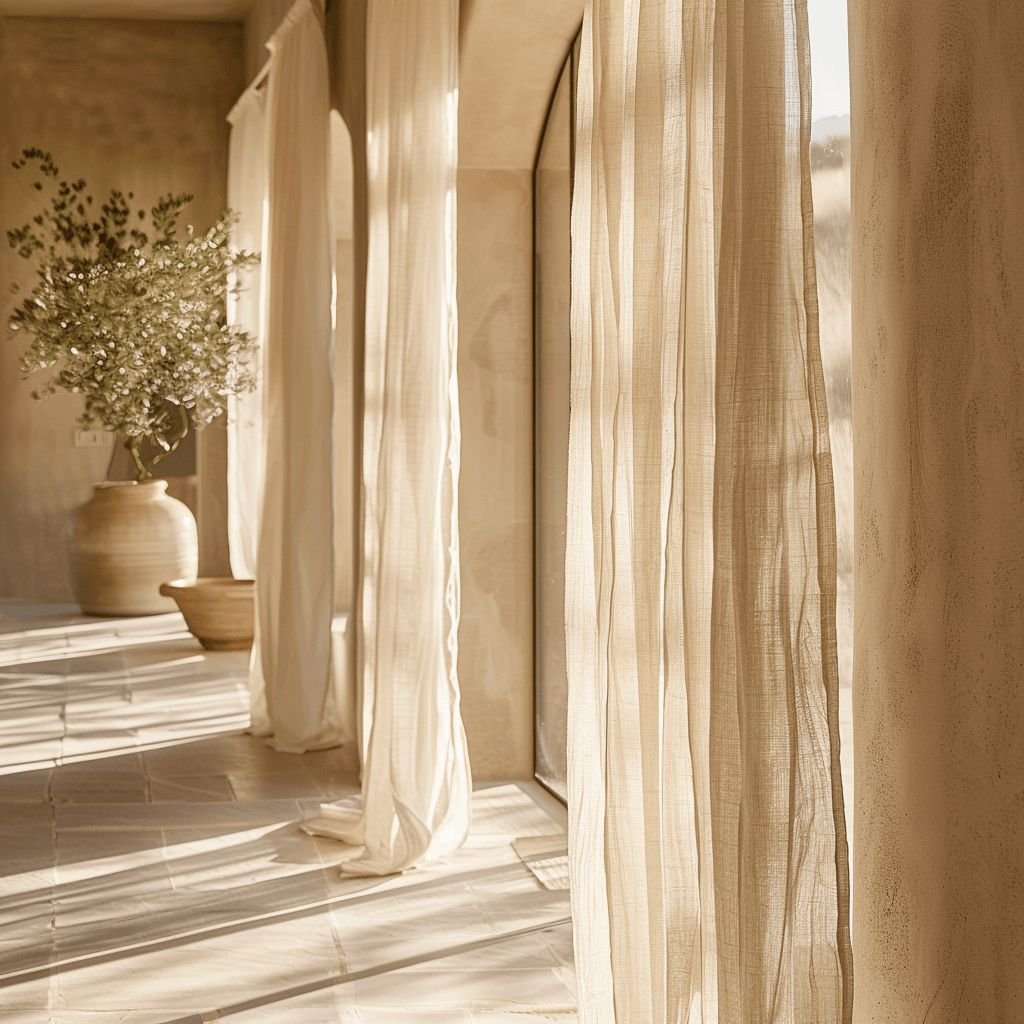
Natural light
Views to outdoors or visual connections to nature (plants, windows, open sightlines)
Open, breathable spatial layout
Elements that evoke movement, breath, and lightness
Design Translation
Choose peices that have a lighter scale with legs lifting furniture off the floor, materials like rattan or cane, or sheer drapery.
Use minimal, airy layouts: avoid clutter, maintain visual flow.
Incorporate plants or greenery that feel vertical or airy.
Lean into thermal variability- open a window or use a fan.
Use a diffuser if appropriate.
Measurable Benefits
Exposure to natural light and views of nature supports circadian rhythm regulation — which helps improve sleep quality, mood, energy cycles, and overall well-being. Research Archive+2Integris Health+2
Green-enhanced environments and light-filled spaces also contribute to lower stress, reduced anxiety, and improved cognitive clarity. Biophilic Products Association+2Frontiers+2
For a treatment room or studio, Air-inspired design fosters openness which can help both practitioner and client breathe more deeply, relax more easily, and maintain alert calm rather than heaviness.
🔥 Fire
Warmth, Energy, Vitality, Solar Resonance: Aries, Leo, Sagittarius
Biophilic Qualities
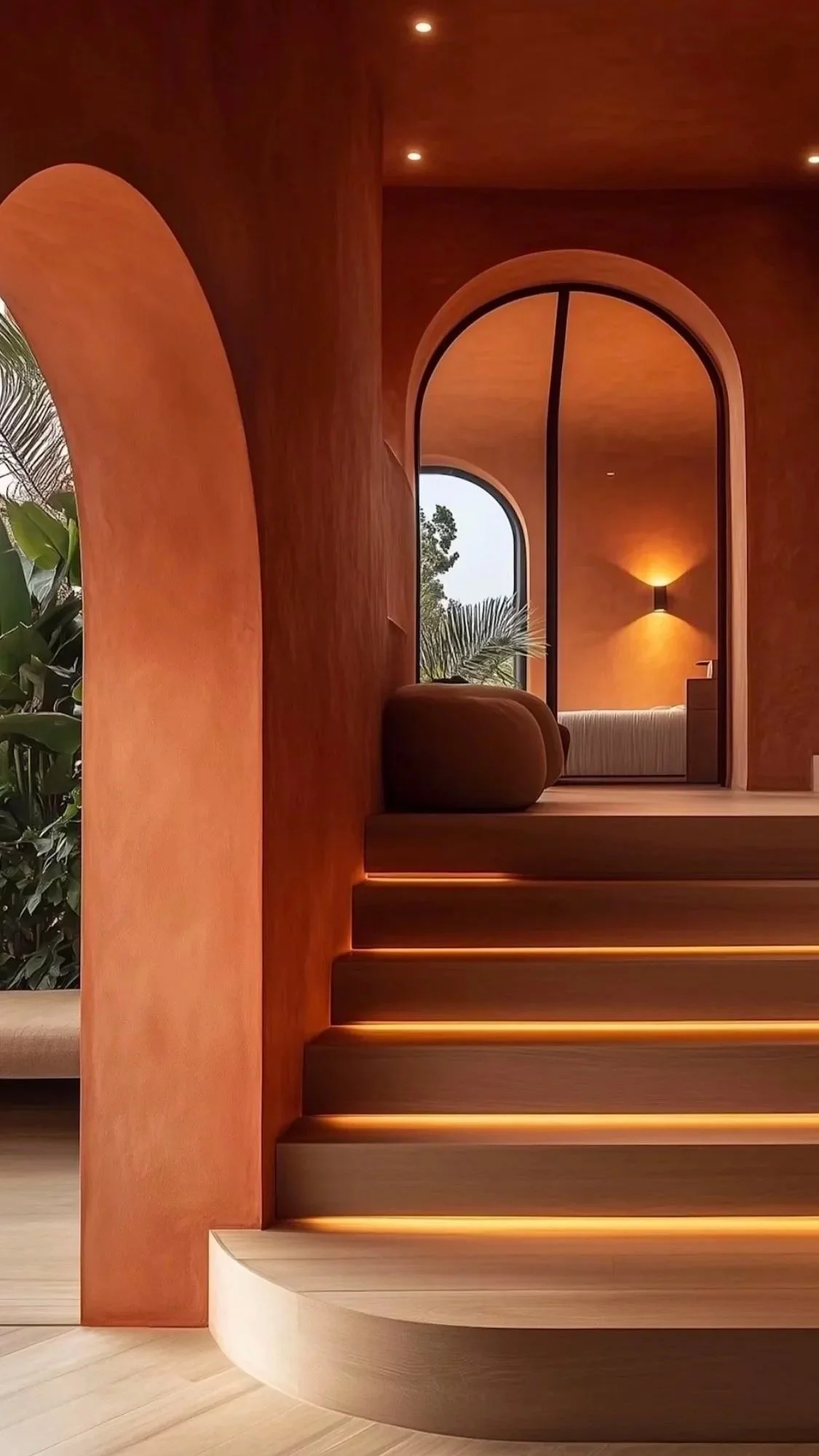
Warm color and material palettes
Sunlight or warm-toned lighting
Patterns, accents, movement, stimulating shapes or contrasts
An energetic pulse to the space
Design Translation
Use warm, soft lighting or fixtures that mimic golden or sunset light, candles, or electric candles.
Integrate accent pieces perhaps a warm-toned textile, a bold focal object, or a piece of art that draws attention.
Use materials or finishes that have warmth/tactility: rough-hewn wood, ceramics, warm metals, etc.
Embrace pattern, rhythm, or energetic arrangement, but balanced so the room remains welcoming, not chaotic.
Potential Benefits
Biophilic spaces that include warmth, natural light, and rhythmic, solar-inspired design can stimulate vitality, uplift mood, and encourage energetic flow.
For practitioners and clients alike, Fire-element rooms can support creative energy, a sense of aliveness, forward motion, ideal for therapeutic work that aims to stir transformation, movement, or self-discovery.
🌊 Water
Softness, Flow, Emotional Resonance, Sensory Calm
Biophilic Qualities
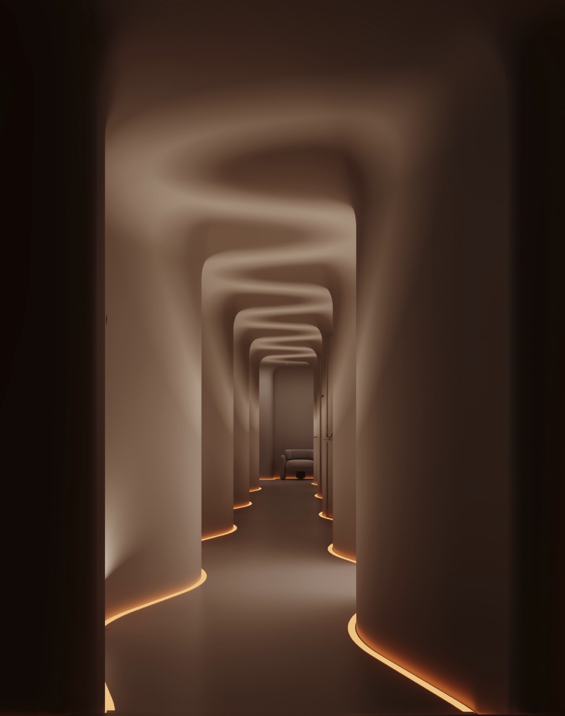
Curves and organic, fluid shapes
Soft edges, layered textures
Indirect lighting or soft light diffusion
Acoustic softness, sensory calm, refuge
Natural hues: cool tones, muted neutrals, greens/blues
Design Translation
Use furniture or layout with gentle curves; avoid harsh lines.
Choose soft fabrics, organic textiles, natural fibers, gentle finishes.
Incorporate layered lighting (ambient + warm + dimmable), to soften contrast.
Consider sound absorption or muffling (soft rugs, curtains, textiles) .
Include a water feature.
Use color palettes that evoke tranquillity: muted greens, deep neutrals, soft blues/greens.
Research-Backed Outcomes
Spaces designed with biophilic softness and sensory calm consistently show reduced physiological stress responses: lower skin conductance, lowered heart-rate, increased parasympathetic (rest-and-digest) activity, and overall relaxation. Frontiers+2SpringerLink+2
Biophilic design in these contexts supports recovery, emotional regulation, improved mood, and can even complement therapeutic outcomes in healing settings (homes, treatment rooms, wellness studios). SpringerLink+1
Why This Elemental-Biophilic Approach Matters (Especially for Healing + Treatment Spaces)
Tailored nervous-system support: Depending on what a client or practitioner needs — grounding (Earth), clarity and openness (Air), energy and vitality (Fire), or calm and emotional regulation (Water) — the room can be tuned accordingly.
Flexibility and nuance: Most of us aren’t purely one “element.” A balanced space can shift throughout a session, week, or season , giving flexibility and supporting evolving needs.
Evidence-based impact: This isn’t just aesthetic theory. Mounting research links biophilic design to lower stress, better sleep, improved cognition, mood stabilization, and even physiological regulation (heart rate, autonomic balance).
Accessibility: Many biophilic interventions like natural light, plants, materials, layout tweaks are modest, affordable, and highly achievable for small studios or home treatment rooms.
🛠️ Practical Steps: Where to Start (Even in a Small Treatment Room)
Observe what’s already there. Audit your space to identify challenges, natural assets, goals and needs. What is your space asking for?
Decide what “element” you want to prioritize for the vibe you aim to support. Grounding for relaxation? Lightness for clarity? Warmth for vitality? Softness for emotional safety?
Edit before you add. Remove harsh lighting, unnecessary clutter, synthetic materials. Then bring in elementals- wood surfaces, layered natural textiles.
Layer light thoughtfully. Use daylight if possible. If not, use warm, dimmable lights. Consider indirect lighting or soft lamps instead of harsh overheads.
Use sensory cues. Materials that feel good under hand or foot, textiles that invite touch, subtle natural scents if appropriate.
Allow flexibility. Use modular setup including movable items, adjustable lighting, adaptable layouts, especially in multi-purpose spaces or small studios.
See previous blog posts for more info on Biophilic Design Principles and Neuroasthetics!